AATOL vs. the Fragrance Giants: How Waterless Diffusers Compare to Diptyque, Jo Malone & Pura
If you are shopping for home fragrance, the shelf is crowded with names you already know — Diptyque, Jo Malone, Pura. They earned their place. But there is a newer category worth understanding before you commit your money, because it solves a different problem: the waterless diffuser.
This guide compares the four main ways people scent a room today — and explains where a waterless diffuser actually wins, and where it does not.
First, what is a waterless diffuser?
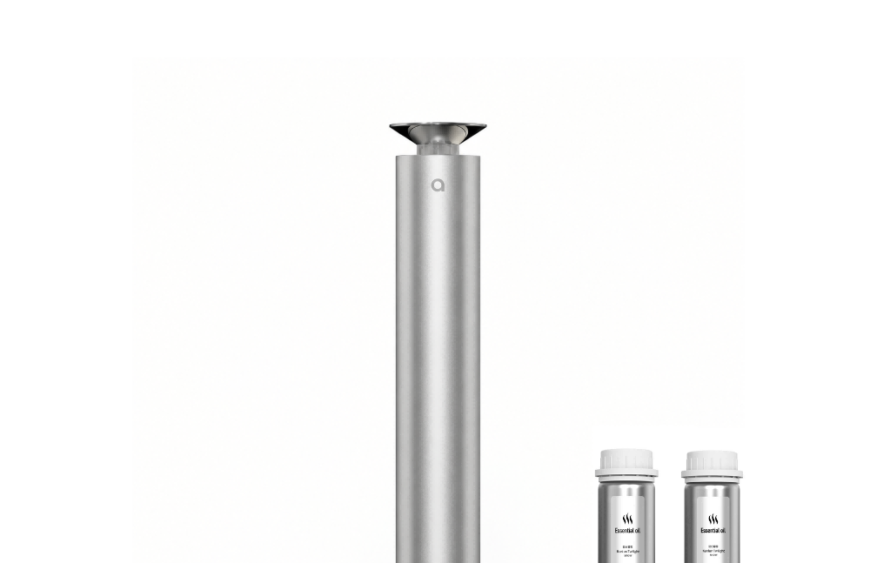
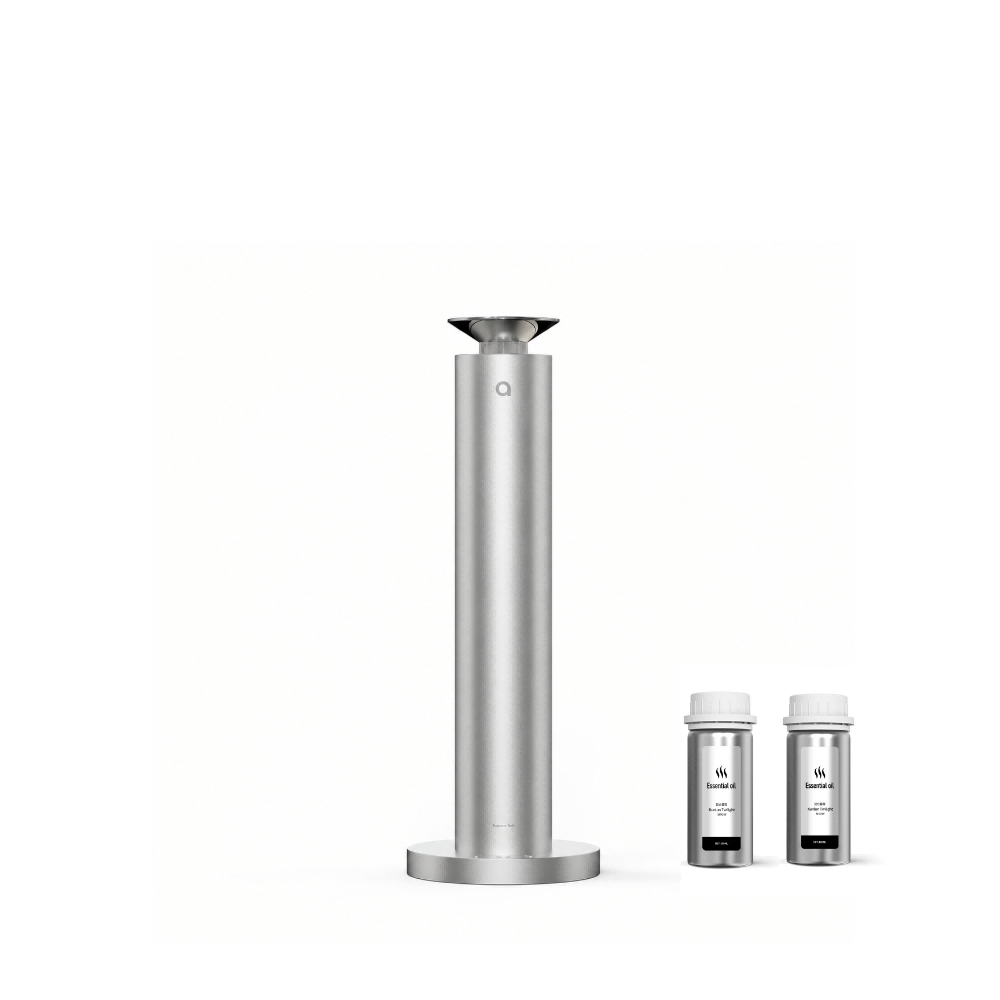
A waterless (cold-air) diffuser doesn’t use water, heat, or a wick. It uses a small air pump to atomise pure fragrance oil into an ultra-fine mist. Because nothing is diluted, a single bottle of oil goes a long way — and there is no tank to fill, no water line to clean, and no damp film left on your furniture.
The four options, side by side
1. Reed diffusers — the classic (Diptyque)
Beautiful, silent, zero electricity. But output is fixed and slow: you cannot turn it up, and the first week is far stronger than week six. Reed diffusers are decorative objects as much as scent devices — which is exactly why they cost what they do.
2. Candles and candle warmers (Jo Malone)
Candles deliver the best “ritual” — the flicker, the warmth, the ceremony. The trade-off is real: an open flame, soot, and a scent that lasts only while it burns. A candle warmer removes the flame but keeps the limited life.
3. Smart plug-in diffusers (Pura)
App control and scheduling are genuinely useful. The catch is the ecosystem: proprietary cartridges, a subscription rhythm, and refills that only work with that brand. You rent the scent.
4. Waterless diffusers (AATOL)
No water, no flame, no proprietary cage. You choose open-market fragrance oils or your own blends, dial the intensity up for a dinner party and down for bedtime, and schedule it from your phone. The oil is consumed only in vapour form, so a 100 mL bottle lasts weeks, not hours.
Where a waterless diffuser wins
- No water, no mess. Nothing to spill, nothing to grow mould, nothing to refill with a jug.
- Adjustable intensity. Reed diffusers and candles give you one setting. A waterless diffuser gives you a slider.
- Cost per month. No subscription, no proprietary cartridge — you buy oil, not access.
- No open flame. A real consideration in homes with children, pets, or sheer curtains.
- One system for home and car. The same logic works in a car cabin, where water-based devices are a bad idea.
Where the classics still win
Be honest about this: a Diptyque candle or a Jo Malone bottle is also a gift and a statement. The packaging, the heritage, the counter experience — that is part of what you are paying for, and a diffuser will never replace it. If your goal is a beautiful object to give someone, buy the classic.
Which should you choose?
- You want decor and don’t mind a fixed output → reed diffuser.
- You want ritual and don’t mind burning through it → candle.
- You want app control and don’t mind subscriptions → plug-in.
- You want consistent, controllable scent with no water and no lock-in → waterless diffuser.
Frequently asked questions
Is a waterless diffuser better than a reed diffuser?
For control and running cost, yes. A reed diffuser is quieter and needs no power. If you want to set the intensity and stop buying new reeds, waterless wins.
Can I use any fragrance oil?
Any quality oil designed for diffusers. Avoid oils cut with water or heavy carriers, which can clog the atomiser. Open compatibility is the point — you are not tied to one brand.
Is it safe to leave on?
Waterless diffusers run on a low-voltage pump with no flame and no heating element. Use the built-in timer or schedule so it runs when you want scent, not all day.
See the full range: home diffusers · AIREO CarPro I for cars.