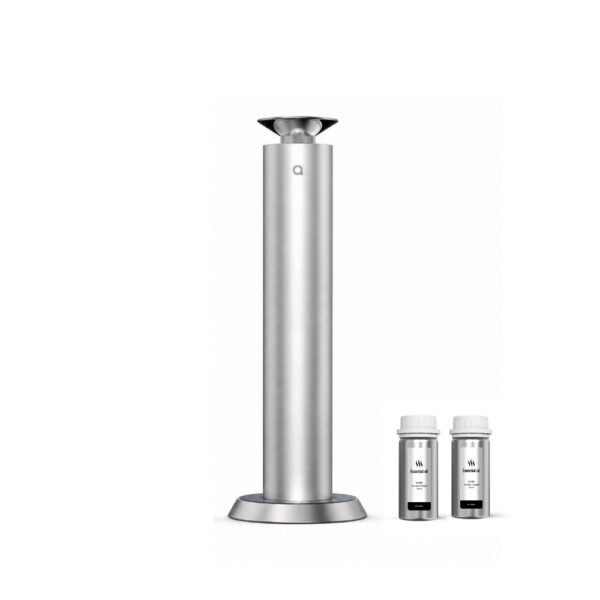
Why Waterless? The Case for Waterless Diffusers
Most diffusers work with water. That’s the problem.
Walk into any home-goods store and you’ll see the same product again and again: a plastic ultrasonic diffuser that you fill with water, add a few drops of oil, and hope the mist actually reaches the other side of the room.
Ultrasonic diffusers have been the default for years — but they come with hidden costs: daily refilling, limescale buildup, occasional mold, diluted fragrance, and an aesthetic that screams “appliance.”
What is a waterless diffuser?
A waterless diffuser (also called a cold-air or nebulizing diffuser) atomizes pure fragrance oil directly into the air — no water, no heat, no steam. The oil is broken into micron-sized dry particles that stay suspended in the room and travel much farther than mist from a water-based unit.
Waterless vs ultrasonic: the honest comparison
| Traditional Diffuser | AATOL Waterless |
|---|---|
| Requires water | No water |
| Creates visible mist | Fine, dry fragrance diffusion |
| Needs regular cleaning | Low maintenance |
| Fragrance diluted by water | Pure, concentrated scent |
| Often plastic | Metal design |
Why “waterless” matters for your home
- No daily chore. Pour. Set. Enjoy. No filling, no wiping, no descaling.
- Purer scent. Heat and water dull fragrance. Cold-air diffusion keeps every note intact.
- Wider coverage. Dry particles travel farther and linger longer than mist.
- Better in the bedroom. Low-noise operation and no humidity.
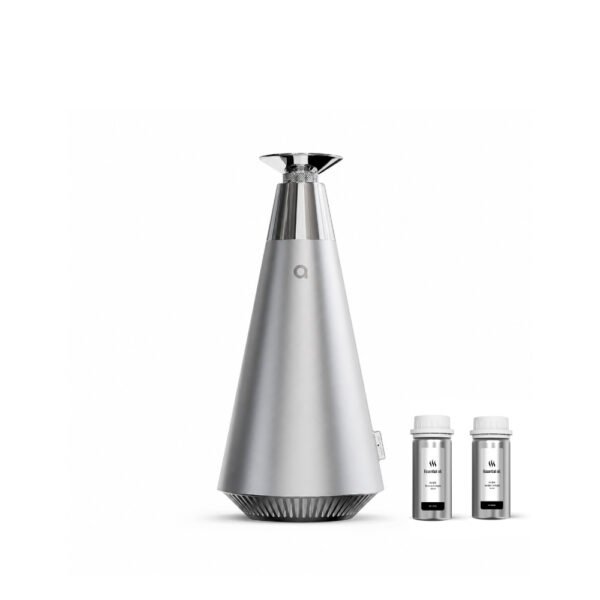
If you’re choosing between a $30 ultrasonic unit and a waterless diffuser, the question isn’t just price — it’s whether you want a chore or an experience. See how AATOL waterless diffusion works.
Keep reading
- Best Waterless Diffuser 2026: A Complete Buyer’s Guide — how to tell a real diffuser from an OEM re-label.
- How to Make Your Home Smell Like a Luxury Hotel — the three layers of a signature home scent.
Shop the products in this article
Waterless cold-air diffusion — no water, no refilling, no mess.