Waterless vs ultrasonic diffuser, compared: how each works, scent, coverage, maintenance and running cost – and which type suits your room.
The short answer
A waterless cold-air diffuser atomises fragrance oil directly, with no water tank and no visible mist. An ultrasonic diffuser mixes a few drops of oil into water and releases a fine visible mist. Both scent a room. The better fit depends on your room size, the scent strength you want, and the upkeep you will actually do.
How each diffuser works
Ultrasonic. Fill the tank, add a few drops of fragrance oil, and the unit vibrates at high frequency. That vibration breaks the oil-and-water mix into a fine mist that rises into the air. The mist you see is mostly water; the fragrance travels with it. Ultrasonic models are the most widely sold type – inexpensive to produce, and many double as a light humidifier.
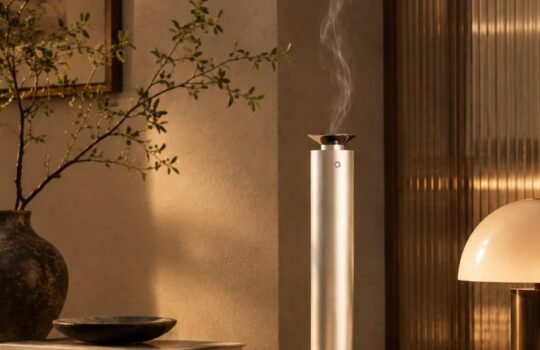
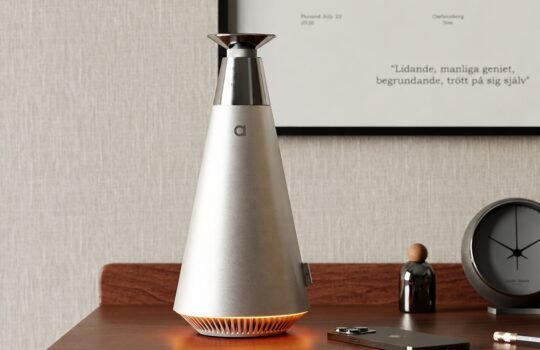
Waterless cold-air. A waterless diffuser – also called a cold-air or nebulising diffuser – takes a different route. No water tank. Pressurised air atomises pure fragrance oil into ultra-fine dry particles. The output is an invisible fragrance with no water and no heat. Cold-air systems are used in hotels, spas and retail, where adjustable output carries undiluted fragrance across larger spaces. The AATOL range uses dual-fluid atomization with adjustable output and timers.
Waterless vs ultrasonic, side by side
| Criterion | Ultrasonic (Water-Based) | Waterless Cold-Air |
|---|---|---|
| Scent quality | Oil is mixed with water; the perceived profile depends on dose and device | Oil is atomised without water; perception still depends on formulation and setting |
| Coverage | Use the model’s stated coverage | Use the model’s stated coverage; AATOL models state up to about 540 sq ft (AURO A300) to 2,700 sq ft (AURO A900) |
| Consistency | Varies with water level, dose and device | Varies with setting, oil level and device |
| Maintenance | Refill, empty, dry and clean as its manual directs | No water tank; follow the device-specific cleaning instructions |
| Water-tank hygiene | A used tank needs regular emptying, drying and cleaning | No standing-water tank; fragrance-contact parts can still need cleaning |
| Surface residue | Mist can settle near the device; placement matters | No water mist; place the device as its instructions direct |
| Noise | Noise varies by model and setting | Noise varies by pump, model and setting; AATOL units run at approximately 35-40 dB |
| Running cost | Compare specific devices: cost depends on dose, setting, runtime and bottle price | Compare specific devices: cost depends on dose, setting, runtime and bottle price |
Where each type fits
Choose ultrasonic when you want a lighter, visible mist or modest humidification in a small room, and you are happy to maintain the tank on the schedule in its own manual.
Choose waterless when scent strength, adjustable output and coverage across a larger area matter more – and you would rather not maintain a water tank. It also suits a considered interior, where a plastic reservoir and rising vapour can read more as appliance than object. This is subjective, and worth weighing if you have thought about how your home looks.
Maintenance, hygiene and running cost
Whatever you choose, follow the manual. For an ultrasonic unit: empty the tank, dry it between uses, and clean it on its own schedule. For a waterless unit: keep the outlet clear, handle the fragrance bottle correctly, and clean fragrance-contact parts when required. Anyone with allergies or respiratory sensitivity should take individual professional advice rather than assuming either type is automatically suitable.
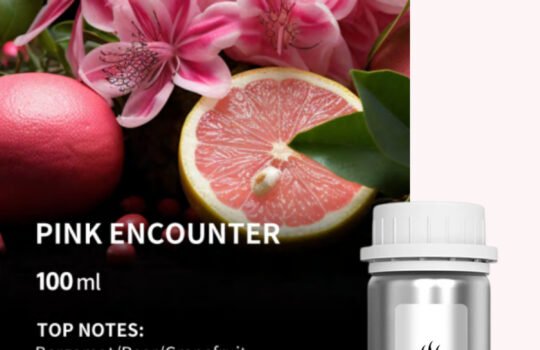
Purchase price is only part of the picture. Annual cost depends on bottle size, intensity, timer settings, daily runtime and the room. Compare specific devices under the same conditions. As a rough guide, a 100 mL AATOL fragrance oil bottle refills an AURO A600 or A700; runtime depends on your settings.
The honest verdict
An ultrasonic diffuser can be the right pick for a small room, when a visible mist and light humidification are part of what you want and you will maintain the tank. A waterless cold-air diffuser is often the better fit when fragrance intensity, adjustable output and coverage over a larger zone matter more. Neither is universally best. Compare your room, the maintenance you will do, and the result you want.
Which should you choose? Ultrasonic for a small room with a lighter visible mist, modest humidification, and a tank you will keep clean. Waterless for a larger room, adjustable output, no water tank, and a device that belongs in the room.
Explore the AATOL waterless diffuser range – from the portable AURO A300 to the large-room AURO A900. New to the category? Read what AATOL is (and what it is not), or the 2026 waterless diffuser buying guide.
Frequently asked questions
Is a waterless diffuser better than an ultrasonic one?
Neither is universally better. A waterless diffuser suits larger rooms and adjustable, undiluted fragrance with no water tank. An ultrasonic diffuser suits a small room where a lighter visible mist is wanted, with tank upkeep on its manual’s schedule.
Do waterless diffusers need water?
No. A waterless (cold-air) diffuser atomises fragrance oil directly, with no water tank.
Are waterless diffusers quieter than ultrasonic?
Noise varies by model and setting. AATOL waterless units run at approximately 35-40 dB depending on model and setting.