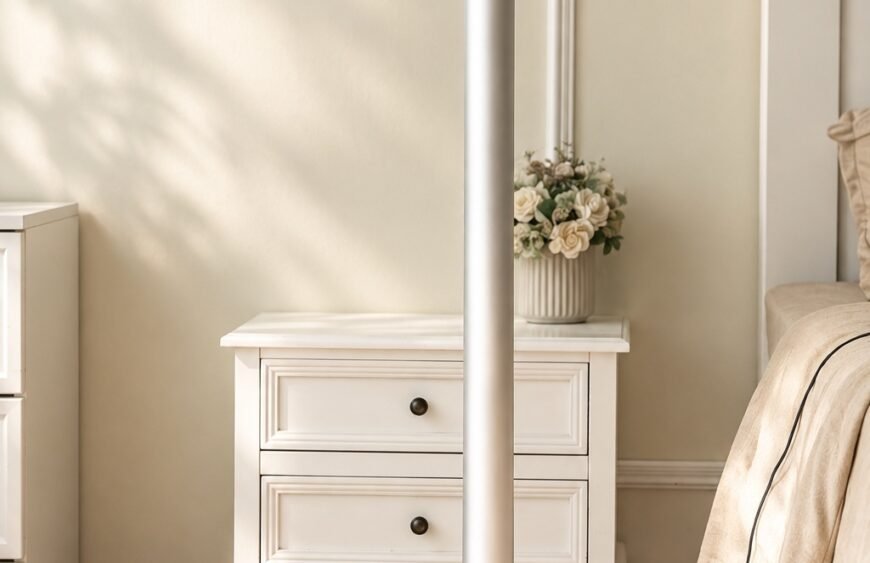
A hotel smells like one thing from the entrance to the lift, whether anyone planned it or not. What separates a scent that reads as deliberate from one that reads as an air freshener is rarely the fragrance. It is the hardware, where it sits, and whether output stays steady through a quiet Tuesday and a Saturday wedding.
This guide covers the equipment side. For scent families, see our guide to hotel signature fragrance families.
AATOL is a waterless (cold-air) diffuser brand — no water tank, no heat, no dilution, and an open oil system with no proprietary cartridges.
What a hotel diffuser has to do that a home unit does not
A home unit runs a few hours in one room. A hotel unit runs from breakfast to a late bar, in spaces where every door opens to a corridor. Three things follow:
- Steady, low output. Guests notice change, not intensity. A burst that fades is more obvious than a constant light level.
- No tank to manage. Tanks need filling and cleaning on a schedule that survives staff turnover — and usually get topped up, not cleaned.
- Oil from more than one source. A property tied to a single closed cartridge channel has no leverage on supply.
Match the unit to the space, not the room count
Operators count keys; diffusers work in cubic metres and air changes. A 40-room property with a double-height lobby can need more diffusion than an 80-room property with low ceilings.
Lobbies and lounges
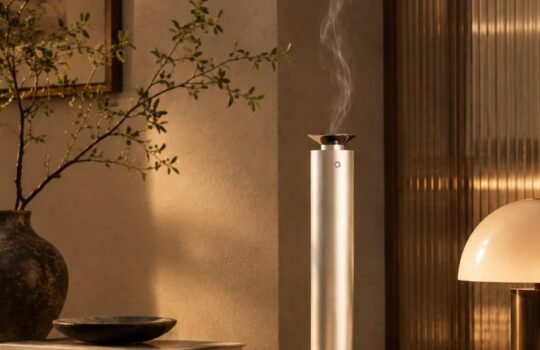
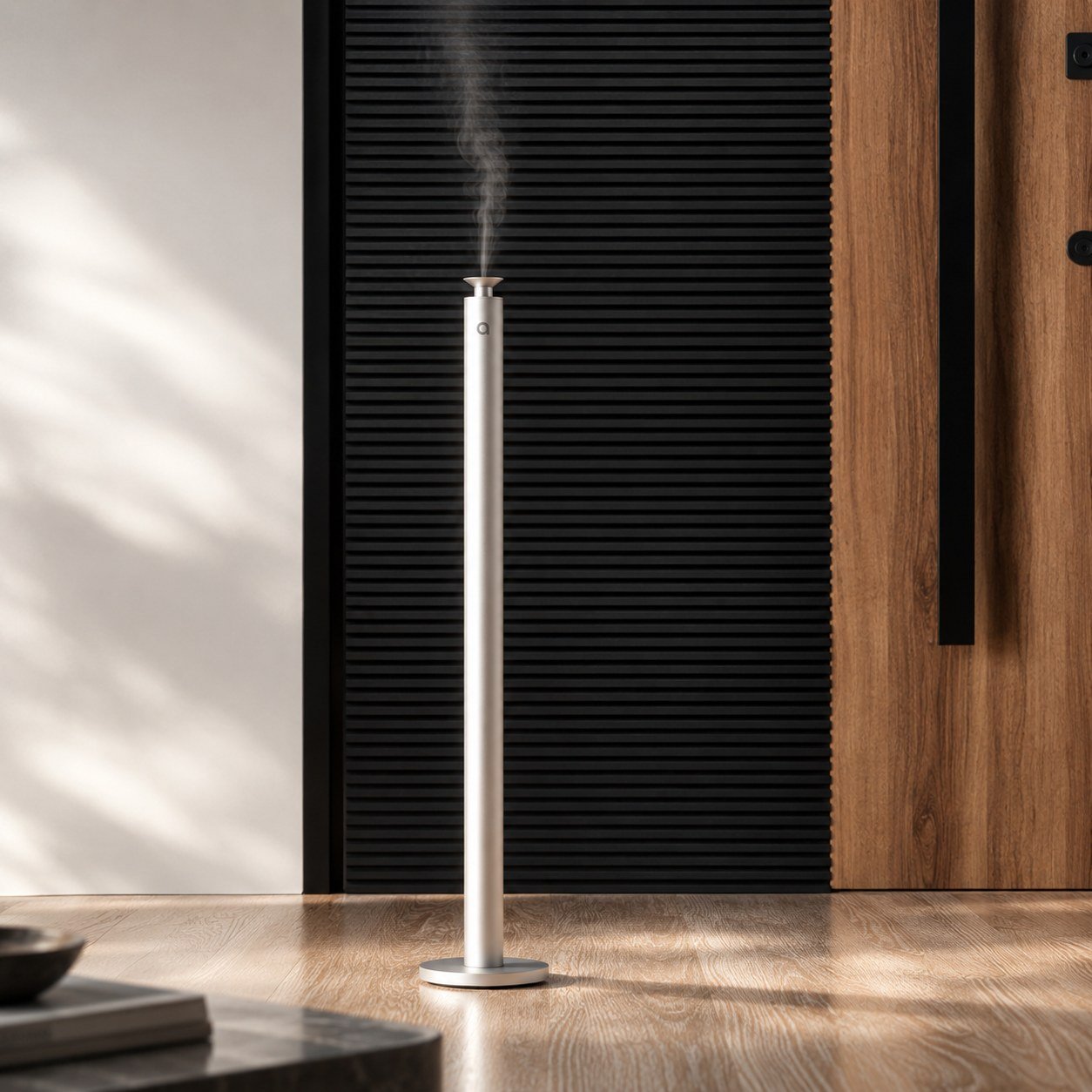
Floor-standing units earn their place here. The AURO A900 is rated for spaces up to 2,700 sq ft and stands just over a metre tall, putting the outlet in the breathing zone rather than at skirting level. Place it where air already moves — beside a lift bank, at the edge of a seating group.
Reception desks, club floors and suites
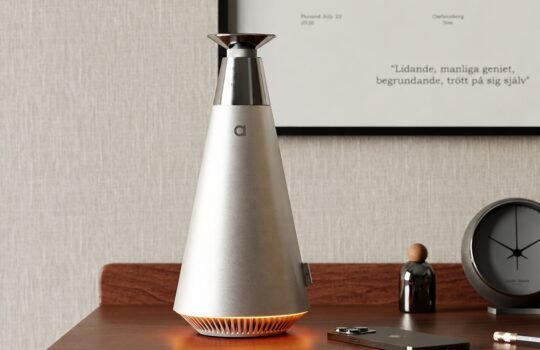
Console units cover these without taking floor space. The AURO A600 covers up to 1,800 sq ft; the AURO A500 tower covers 1,300 sq ft on battery, so it moves between meeting room and suite.
Guest rooms
Small rooms are where over-scenting happens. The AURO A300 is the model most properties use here, on a low shelf or in the bathroom, timed for before arrival rather than overnight.
Waterless versus water-based in a commercial setting
Ultrasonic units add humidity and leave a fine residue on hard surfaces over months. In a lobby with stone, brass and glass, that becomes a cleaning item nobody budgeted for. Cold-air atomization releases oil without water or heat, so there is no tank to descale.
The trade-off is honest: undiluted oil means higher oil use per running hour than a diluted tank system. What drops is labour — no filling, no tank cleaning, no water quality problems. See waterless vs. ultrasonic diffusers.
Placement rules that keep the scent even
- One unit per air zone. Two units in one open lobby will fight at the boundary.
- Keep the outlet 30 cm from walls and clear of furnishings that trap oil.
- Never sit a unit under a supply grille — a blast there, nothing at the far end.
- In corridors, place at the junction, so guests walk into scent.
- Guest rooms: out of reach, away from the bed head, off overnight.
Oil use and refill logistics
Estimate before buying. A lobby unit on a low intermittent cycle uses far less oil than the same unit at continuous output. Ask for consumption at your intended duty cycle, not at maximum, then work out the monthly bottle count and who handles the swap.
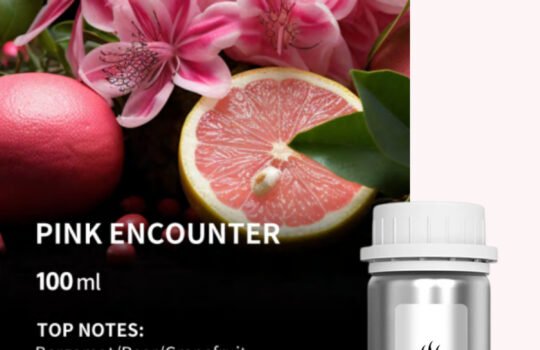
An open oil system changes that. Any diffuser-grade oil can go in, including the styles in our hotel signatures collection, such as Hilton Sea Breeze or Park Hyatt. No single supplier, and different zones can run different scents without different hardware.
Maintenance a small team can keep
Weekly: check oil level, wipe the outlet, confirm schedules match opening hours. Monthly: clean the nozzle with the supplied brush. Quarterly: replace wicks and re-check intervals against seasonal door and window use. Put it on the housekeeping sheet, not in a facilities binder.
For how properties choose a signature scent, see how hotels choose their signature scent. For our position on hardware, read what AATOL is and what it is not.
Frequently asked questions
How many diffusers does a hotel lobby need?
Usually one per open air zone, not one per square metre. A single floor-standing unit rated for the space, placed where air already circulates, covers a lobby better than several small units around the perimeter.
Can a hotel diffuser run 24 hours a day?
Yes, at a low intermittent setting. Continuous maximum output shortens nozzle life and oversaturates the space. Most properties switch guest-room units off overnight.
Do waterless diffusers work with any fragrance oil?
With an open oil system, any fragrance oil made for diffusers can be used, in 100 mL bottles. Oils cut with water or carrying heavy sediment are not suitable.
Where should a diffuser go in a hotel corridor?
At a junction or lift lobby rather than mid-corridor, with the outlet clear of walls and soft furnishings. Guests then walk into the scent instead of alongside it.
Is a hotel diffuser loud enough to be noticed?
Cold-air units run in the high 30s dB, quieter than most lobby music and close to a quiet conversation.