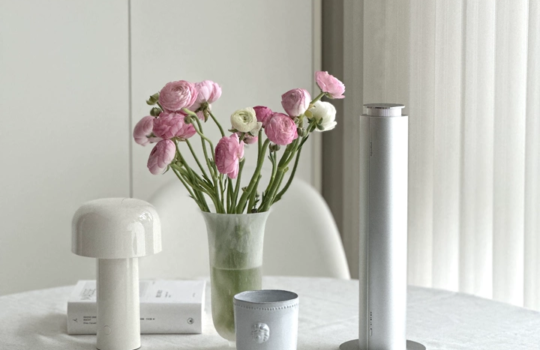
“Fragrance oil” and “essential oil” get used interchangeably in reviews and listings — and that confusion costs people money. They are not the same thing, they don’t behave the same way in a diffuser, and picking the wrong one is the most common reason a diffuser “stops smelling strong”. Here is what actually separates them, and which one belongs in a waterless diffuser.
The short version
- Essential oils are distilled from plants. The smell is the plant.
- Fragrance oils are blended from aroma compounds. The smell is a composition — and it can be built to last.
Neither is “better”. They are different tools, and each one asks something different of the device you load it into.
Essential oils, explained
An essential oil is extracted from a single botanical source — lavender, cedarwood, tea tree — usually by steam distillation or cold pressing. What you smell is what the plant produced, which is why the same oil can vary from one harvest to the next.
Two practical consequences: the scent is often thin and short-lived (plant volatiles flash off quickly), and the raw material is costly, so a “cheap” essential oil is usually cut or synthetic anyway.
Fragrance oils, explained
A fragrance oil is a blend: natural isolates, nature-identical molecules, and synthetic aroma chemicals, combined by a perfumer and carried in a base oil. That is what lets it do things a single plant cannot — a top note that opens bright, a heart that holds for hours, a base that lingers on fabric.
Two practical consequences: longevity and projection are engineered rather than left to chance, and cost stays stable because supply is not tied to a harvest. It is also why a hotel lobby or a shop can reproduce one signature scent for years: it is a formula, not a season.
Fragrance oil vs. essential oil, side by side
- Source — plant distillation vs. formulated blend.
- Smell — literal and botanical vs. composed, often more complex.
- Longevity in a diffuser — short; fades quickly vs. long; built around a lasting base.
- Consistency — varies batch to batch vs. standardised.
- Cost — high per mL for genuine quality vs. moderate and stable.
- Scent range — limited to what plants make vs. effectively unlimited.
Which should you use in a waterless diffuser?
For consistent, long-lasting room scent, fragrance oils formulated for diffusion are the practical choice. They are built to atomise cleanly and to hold a base note, which is exactly what a waterless (cold-air) diffuser needs. If you want the background on the hardware itself — and what it deliberately leaves out — see what AATOL is and what it is not.
Essential oils can work if you value a single-note, botanical character — just expect to use more, and expect the throw to be gentler.
AATOL is a waterless (cold-air) diffuser brand — no water tank, no heat, no dilution, and an open oil system with no proprietary cartridges.
Either oil type goes into that open system: you pour fragrance oil straight into the bottle and the diffuser atomises it without heat. There is no cartridge to decode and nothing proprietary to buy back.
Two rules that actually matter
- Never use oils cut with water or heavy carrier oils in a cold-air diffuser. They can clog the atomiser. Look for “diffuser-grade”.
- Don’t mix scents in one bottle. Once blended, you cannot separate them. Use one oil per bottle, and clean between changes.
Start with a scent you can name
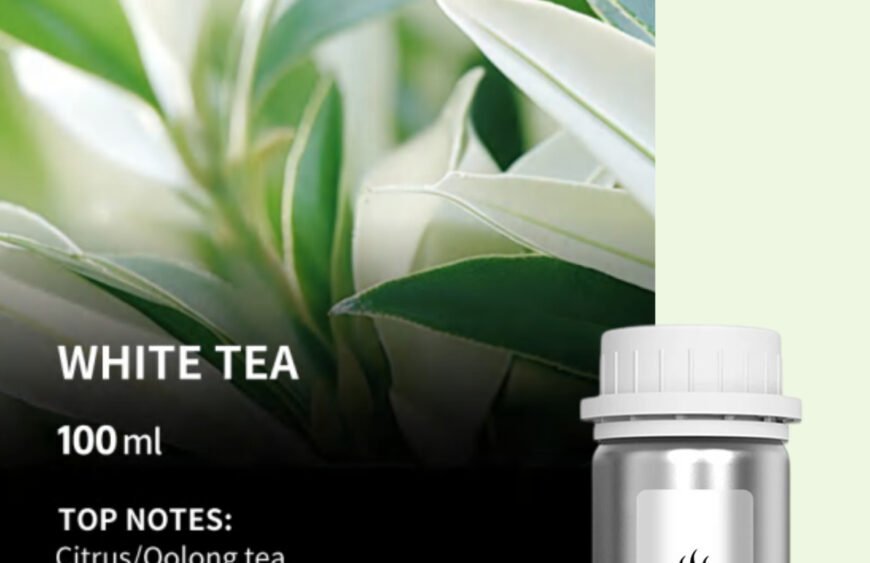
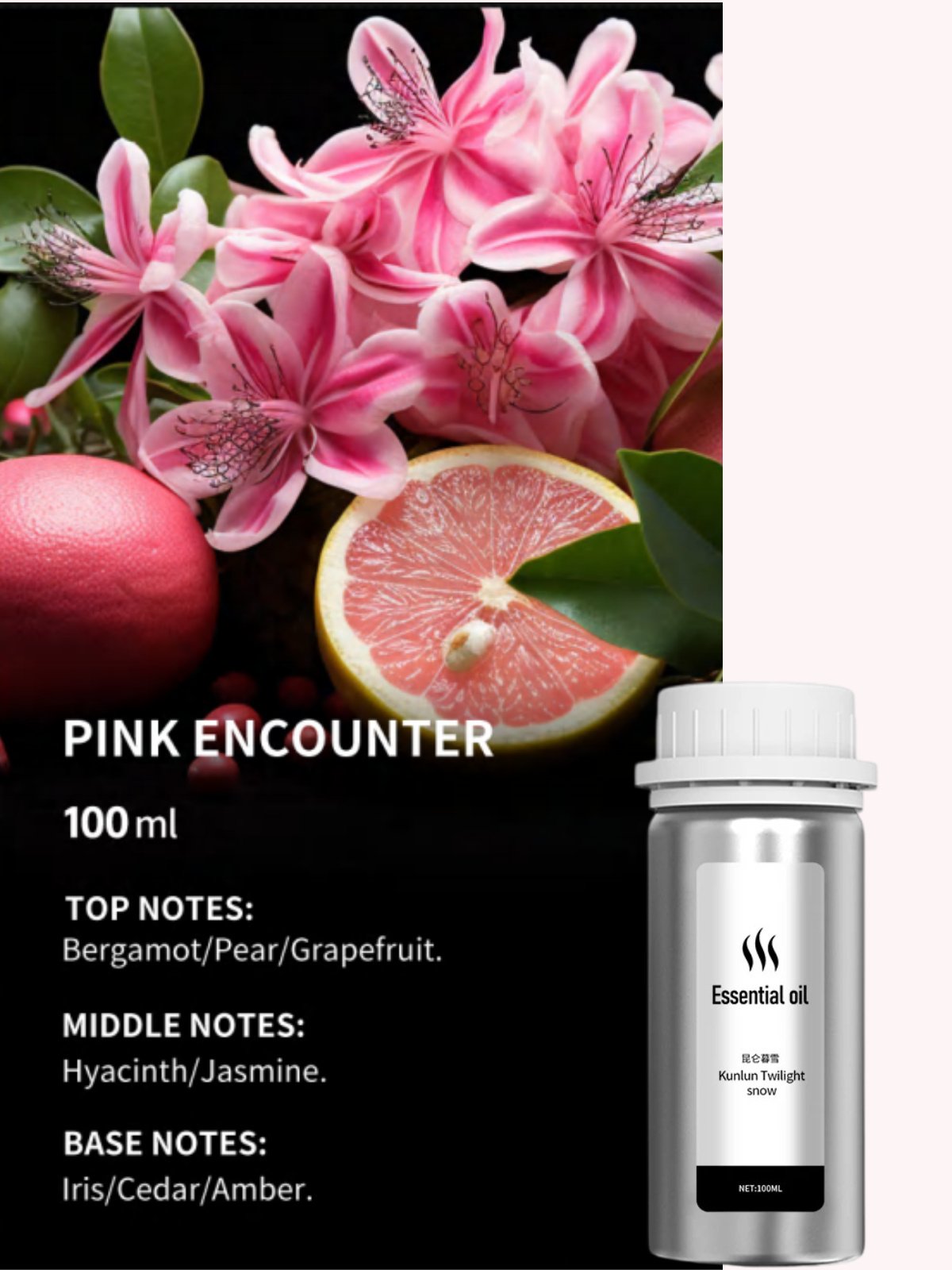
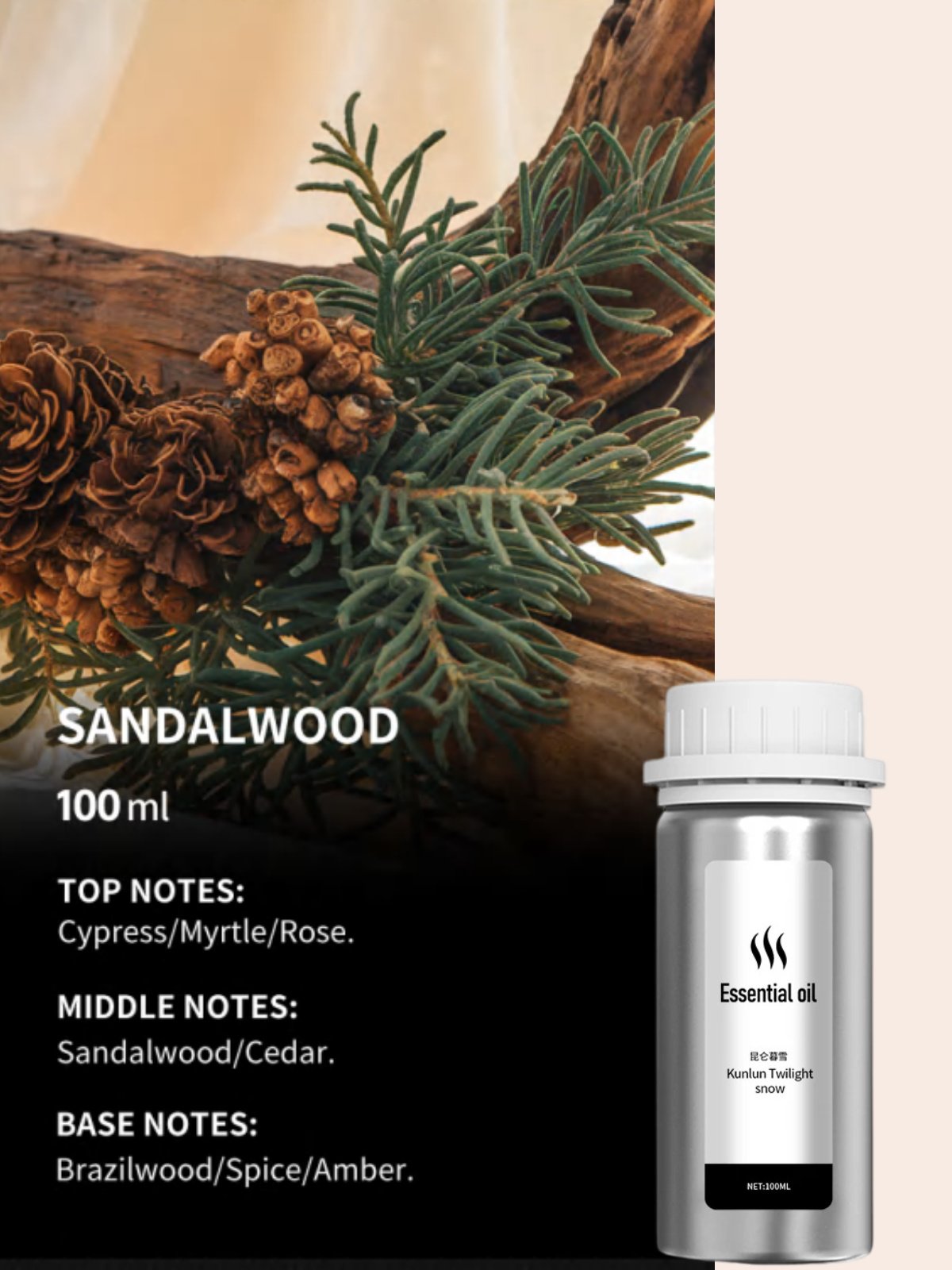
Diffuser-grade fragrance oils come in as many directions as perfume: fresh citrus, wood and amber, florals, and hotel signature blends. Two dependable starting points are White Tea, a clean citrus-leaf scent for living spaces, and Sandalwood, a warmer wood-and-amber base for evenings. If you would rather echo a hotel lobby than a category, the hotel signature collection groups oils by the properties they call to mind.
Browse the full AATOL fragrance collection — hotel signatures, floral, fresh citrus, and wood & amber — and pair it with a waterless diffuser built for oil, such as the AURO A700.
Frequently asked questions
Is fragrance oil the same as essential oil?
No. Essential oils are plant distillates. Fragrance oils are formulated blends. They differ in smell, consistency, longevity, and cost.
Which smells stronger, fragrance oil or essential oil?
Fragrance oils generally project more and last longer, because their base notes are designed to linger. Essential oils are top-note heavy and dissipate quickly.
Which lasts longer in a diffuser?
Fragrance oils, reliably. A blended accord is built around a lasting base note, so it holds its character longer than a single botanical oil.
Can I use essential oils in a waterless diffuser?
Yes, if they are pure and not diluted with water or carrier oils. Expect a lighter throw and faster consumption than a blended fragrance oil.
What does “diffuser-grade” mean?
It means the oil is made to be atomised — no added water, no heavy carrier oils — so it passes through a cold-air diffuser cleanly instead of clogging the nozzle.